
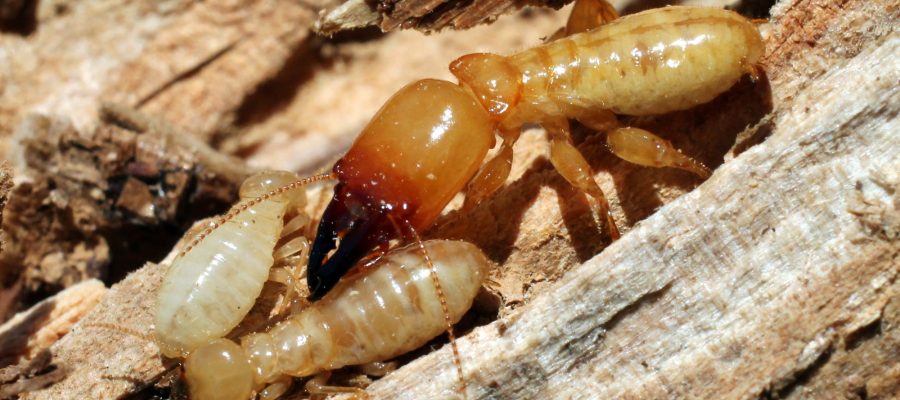
When it comes to owning a home, there’s an endless list of things to worry about. This includes flooding, wind damage, heating and cooling issues, and even the risk of fire. Termites are another concern that many homeowners have to deal with each year. A termite is a pest that can get inside the walls of your house and quickly cause extensive damage to the structure. This article takes a look at the most common termites in Australia that cause damage to millions of homes. The more you know about these pests, the better equipped you’ll be for getting rid of them. Keep reading to discover insight into termite species identification that will help you be well informed for protecting your house from these tiny and unwelcome intruders.
DAMPWOOD TERMITES
Dampwood termites love to infest wood that has decayed due to moisture, especially timber that has come into contact with the ground. These pests can live inside of decayed wood for years without being detected. They create large open galleries inside the wood, which provides space for them to multiply. When a building has a moisture problem, dampwood termites will quickly infest the space and swarm. This can be an especially big problem in warmer climates.
DRYWOOD TERMITES
This species of termites typically live in colonies of less than 1000 members. They are attracted to pieces of timber, and you could expect to find several small colonies co-existing with a single piece of wood such as furniture inside your home. They love both hardwood and softwood and derive all of their water needs from that wood rather than any external source such as contact with the ground.
MASTOTERMES DARWINIENSIS
These are giant northern termites that belong to the Mastotermitidae family. Soldiers are typically 11-13mm in length, while workers grow to 10-11.5mm, with wings up to 500mm. This species is generally regarded as very primitive, sharing a variety of characteristics with cockroaches. They nest in the ground, and their foraging tunnels can extend to more than 100m in length. This is an extremely destructive species that can cause rapid damage to buildings and agricultural crops.
COPTOTERMES ACINACIFORMIS
This is a subterranean species that belongs to the Rhinotermitidae family. The soldier’s head is pear-shaped, and the body is typically around 7mm long. The solder Coptotermes also produces a stick while liquid intended to defend the nest from outside threats. This species typically only build mounts in tropical areas of Australia such as Queensland. In general, they prefer to nest in stumps, poles, fallen timber around houses, trees, and dark damp spaces beneath walls and buildings.
CRYPTOTERMES GENUS
This member of the Kalotermitidae family is known to be a major pest in a number of states, including New South Wales, Queensland, Victoria, and Western Australia. Cryptotermes is an invasive species that are attracted to sawn timber, fallen logs, and dead standing trees. The soldier can be 2.5-3.7mm in length, with a head that grows up to 1mm.
CRYPTOTERMES BREVIS
This West Indian species is another member of the Kalotermitidae family that loves drywood. Native to northern South America, it’s recognised as one of the destructive pests in the world. This species doesn’t need moisture to survive, thus it can easily infest any small piece of wood, making to easy to spread to distant areas. A soldier Cryptotermes Brevis is 4.2-6mm in length and features a wrinkled, or rugose, head. These termites build colonies that are comprised of up to 1000 individuals, and many colonies can co-exist in close proximity to each other within the same building or piece of wood.
SCHEDORHINOTERMES INTERMEDIUS
This is another subterranean member of the Rhinotermitidae family of termites. This species is divided into two types of soldiers, called the minor and major. The Minor tends to be 3.-5mm long, while the Major is 5-7.5mm long. These termites generally nest in damaged trees and tree stumps, as well as timber that’s buried in the ground. They build subterranean nests made up of several thousand termites, making it difficult to accurately identify the extent of an infestation in a specific location.
HETEROTERMES FEROX
Another member of the Rhinotermitidae family, this species is subterranean and is known for causing mostly superficial damage to fences, wood flooring, and timber decking. Both the workers and soldiers move slowly and aren’t typically aggressive. The soldier is 3.5-7.5 long and features long rectangular heads.
NASUTITERMES FUMIGATUS
This member of the Termitidae family is most often found in weathered wood. These termites live in small colonies and nest on decayed wood or in the ground. The soldiers of this species have a body of close to 4mm in length, featuring a head that is pale orange with a pointed snout. They are mostly found in South-eastern Australia and tend to attack decking boards on the verandas that are built around the outside of houses.
NASUTITERMES WALKERI
This species is another prominent member of the Termitidae family of termites and is known to feed on decayed hardwood timber, general in damp conditions or when the wood has come into contact with moist soil. Their tunnels radiate outward from the base of the tree through the soil. The soldier is 5-7mm in length, making it the largest member of the Nasutitermes species.
AN AUSTRALIAN TERMITE GUIDE FOR IDENTIFYING PESTS
When you see a termite, don’t panic. This guide will help you identify pests around your home so that you can seek assistance from a professional. Contact us now for all your pest control needs in and around the Sunshine Coast.
Termite Controltermite detectionTermite Inspectiontermite pest controltermite protectionTermites « Termite Prevention: How to Protect Your Home From Termites The Termite Treatment Process and Installation »
ArrayShare on twitterShare on facebookWhatsAppPin ItLinkedInBuffer
CALL US TODAY07 5477 6675 THE SUNSHINE COASTWe cover all areasESTIMATE YOUR COSTSPest Control Calculator
ABOUT USSafeguard pest control is family owned and operated pest control, termite control and pest management service on the Sunshine Coast, operating since 1989.Contact our friendly team for professional and quality pest control and termite treatment on the Sunshine Coast. Learn more
Our Services
- Pest Inspection sunshine coast
- Thermal Imaging Pest Inspection
- Natural & Organic Pest Control
- Residential Pest Control
- Termite Baiting Systems
- Termite Barriers
- Commercial Pest Control
- Body Corporate Pest Control
- Latest Posts
- How to Get Rid of Spiders: 7 Tips for Homeowners
- May 31, 2023
- Pest Control Services for Schools: What You Need to Consider
- March 29, 2023
- How You Can Humanely Deal With Rats in Your Roof Void
- March 6, 2023
CONTACT INFO 07 5477 6675 info@safeguardpestcontrol.com.au Monday-Friday 8:00am-5:00pm 4/55 Edison Crescent, Baringa QLD 4551